DIY: How to Make Sparkling Water at Home
DIY: How to Make Sparkling Water at Home
Creating your own sparkling water at home is easier than you might think. With a few simple tools, you can enjoy fresh, fizzy water anytime.
This guide will walk you through the process step-by-step. You'll learn about different methods and tips for the best results. You'll also learn how to prepare soda water and seltzer water with simple tools.
Whether you're a DIY enthusiast or just looking for a healthier drink option, this guide is for you.
Discover how to make soda water, seltzer, and more with ease. Let's dive into the world of homemade sparkling water and start fizzing up your life!
What Is Sparkling Water?
Sparkling water is simply water infused with carbon dioxide gas. This carbonation gives it the refreshing bubbles we all love.
The fizz of sparkling water adds a fun twist to regular drinking water. It's a refreshing way to stay hydrated without any added sugars.
Here's a quick breakdown of types:
-
Seltzer Water: Plain carbonated water without added minerals.
-
Club Soda: Contains added minerals like sodium bicarbonate.
-
Sparkling Water: Often from natural springs, may include natural minerals.

The Science Behind Carbonation
Carbonation is a process where carbon dioxide (CO2) dissolves into water. This creates carbonic acid, which gives the water its signature fizz.
The bubbles in sparkling water are trapped gas escaping as pressure is released. This is why the carbonation is more noticeable when you open a bottle.
Here are key components of carbonation:
-
CO2 Pressure: Essential for creating bubbles.
-
Temperature: Cold water retains more CO2.
-
Acidity: Carbonic acid adds a slight tang.

Methods to Make Sparkling Water at Home
Creating sparkling water at home is easier than you might think. There are several methods available that cater to different preferences and resources.
From using a convenient soda maker to more hands-on DIY systems or natural fermentation methods, anyone can enjoy fresh sparkling water anytime. These options cover how do you make carbonated water, depending on your equipment.
Using a Soda Maker
A soda maker is one of the most popular and convenient ways to carbonate water at home. These devices are simple to use and produce consistent results.
To begin, fill the bottle with cold, filtered water. Cold water absorbs CO2 more effectively, ensuring better carbonation. Next, attach the bottle to the soda maker according to the manufacturer's instructions.
Press the carbonation button and watch as bubbles form. Some soda makers allow you to control the level of carbonation by pressing the button multiple times. This gives you the flexibility to choose your preferred fizz level.
Benefits of using a soda maker include ease of use, quick results, and minimal cleanup. However, it's essential to follow safety instructions to avoid accidents. For many households, this is the simplest route for how to make soda water at home.

by Nathalia Segato (https://unsplash.com/@trintaycinco)

by Karen Bailey (https://unsplash.com/@kaybee1955)
DIY Carbonation Systems
For those who enjoy DIY projects, a homemade carbonation system is an exciting option. This method involves using a CO2 tank and a carbonation cap.
First, ensure you have all necessary equipment. This includes a CO2 tank, regulator, tubing, and a carbonation cap. Begin by attaching the tubing to the tank and regulator, ensuring all connections are tight.
Next, fill a soda bottle with cold water. Attach the carbonation cap to the bottle, and connect it to the tubing. Gradually open the CO2 tank valve to allow gas to flow into the bottle. Keep the pressure at the desired level until adequate carbonation is achieved.
This method allows for customization of carbonation levels. Always handle the CO2 tank with care to maintain safety. If you're asking how do you make carbonated water with precise control—people often search 'how to make carbonated'—this setup is a reliable approach.

by Guille B (https://unsplash.com/@guilleb)
Yeast Fermentation Method
Yeast fermentation is a natural way to carbonate water, though it requires patience. The process involves introducing yeast and sugar to water, then allowing it to ferment.
Begin by combining room-temperature water with a small amount of sugar. Add a pinch of yeast to the mixture, stirring gently to dissolve. Seal the container and leave it at room temperature for several days.
Fermentation time varies, but typically takes 3 to 5 days. During fermentation, yeast consumes sugar, producing CO2 and creating fizz.
Once desired carbonation is achieved, refrigerate the water to halt the fermentation process. Be cautious, as pressure can build up significantly during fermentation. Always use a sturdy bottle designed for carbonating beverages. This is also a traditional route for how to carbonate water naturally.

by Trisha Canillas (https://unsplash.com/@_tresyahbi)
Step-by-Step Guide: How to Make Sparkling Water
Making sparkling water at home is both fun and simple. With the right tools, you can create delicious fizzy drinks in no time.
Firstly, gather your supplies. You'll need a soda maker, cold filtered water, and any flavorings you desire. Use cold water because it carbonates more effectively.
Next, fill the soda maker bottle with the cold water. This ensures proper carbonation. Attach the bottle to the soda maker securely.
Engage the carbonation process by pressing the button. Monitor the fizz level and adjust by pressing the button more for greater carbonation.
Once carbonated, detach the bottle from the soda maker. You may wish to taste the water to ensure it's reached your preferred level of fizz.
Add any desired flavors now. Popular choices include fresh lemon slices, a splash of lime juice, or sprigs of mint.

by charlesdeluvio (https://unsplash.com/@charlesdeluvio)

by enrico bet (https://unsplash.com/@henry_be)
Here's a quick checklist to follow:
-
Gather cold filtered water and a soda maker.
-
Fill and attach the bottle.
-
Carbonate and adjust fizz.
-
Detach and taste.
-
Flavor and enjoy!
By following these steps, you'll savor refreshing homemade sparkling water in minutes, perfectly tailored to your taste.
How to Prepare Soda Water and Seltzer Water
Preparing soda water and seltzer water is straightforward. Both involve carbonating water, but there's a subtle distinction.
Soda water typically includes added minerals for a distinct taste. In contrast, seltzer water is just carbonated water with no additives.
To make either, use a soda maker. Fill it with cold, filtered water. Carbonate until it reaches your desired fizz level. Enjoy plain or add flavors as desired. If you're wondering how do you make seltzer water, simply carbonate cold, plain water and skip any added minerals.

by Paras Kapoor (https://unsplash.com/@kapoorparas28)
Here's a quick guide:
-
Soda Water: Add minerals if desired.
-
Seltzer Water: Pure carbonated water.
-
Use the soda maker for both.
Flavoring Your Homemade Sparkling Water
Elevate your homemade sparkling water with natural flavors. Fresh ingredients can transform plain water into a delightful drink.
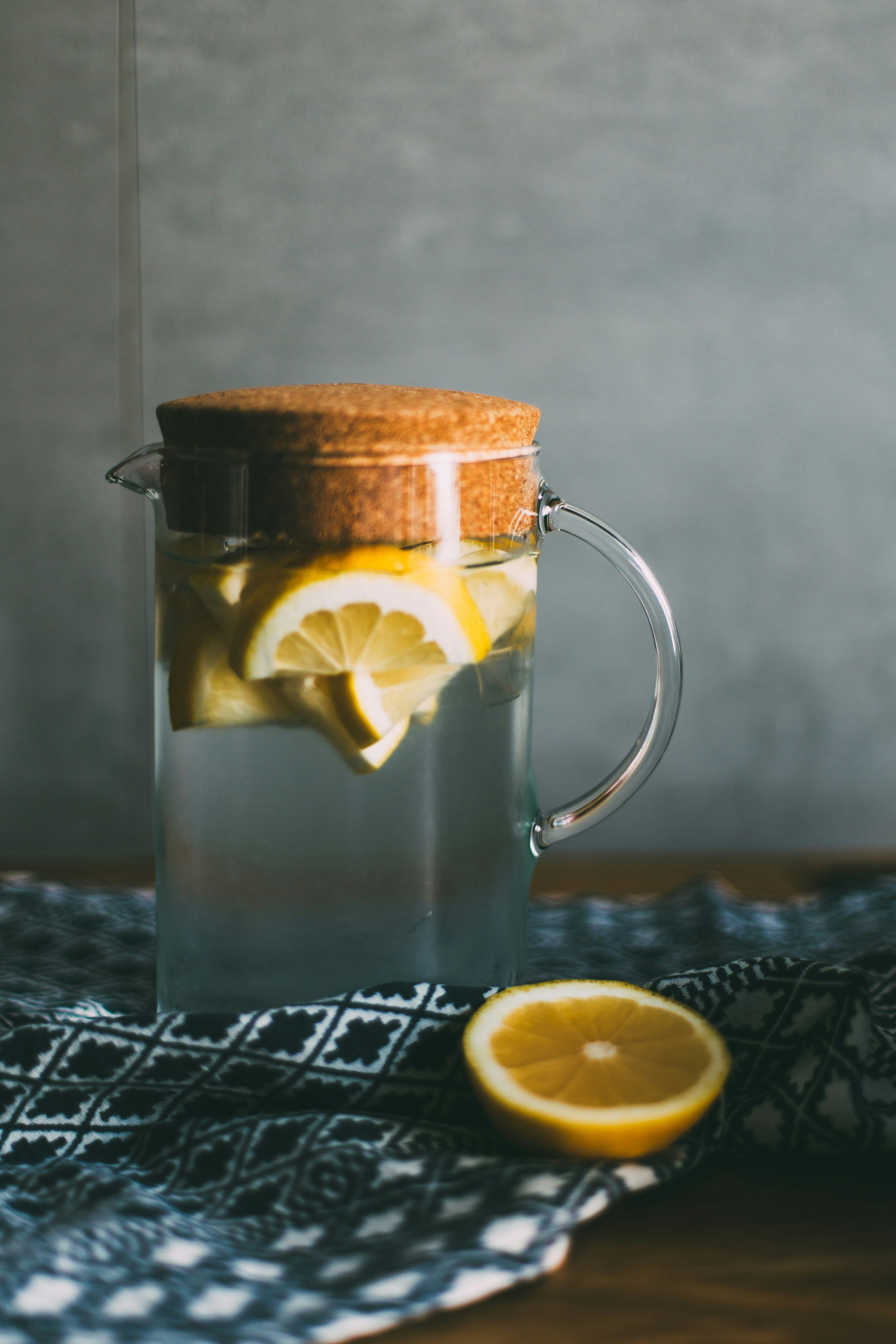
Begin by adding slices of citrus fruits. Lemons, limes, and oranges offer a refreshing zest. Mint leaves and cucumber slices also introduce a cool, crisp taste.

by Andrijana Bozic (https://unsplash.com/@vesnikproleca)
For a sweet twist, consider berries or a splash of fruit juice. These add color and natural sweetness without overpowering the fizz.
Here's a list of flavor options:
-
Citrus: Lemon, lime, orange
-
Herbs: Mint, basil
-
Fruits: Berries, cucumber, pineapple
Experiment with combinations. Mixing flavors can create unique beverages suitable for any occasion.

by Ahtziri Lagarde (https://unsplash.com/@ahtziri)
Tips for the Best Results
Achieving the perfect fizz requires a few key tips. First, always use cold water. It dissolves CO2 better, resulting in higher carbonation.

by Brian Yurasits (https://unsplash.com/@brian_yuri)
Moreover, clean equipment is crucial. Residue can affect the taste and fizz. Regular maintenance ensures longevity and hygiene.
Here's a quick checklist for optimal results:
-
Use cold, filtered water
-
Regularly clean equipment
-
Experiment with carbonation levels
Lastly, personalize your carbonation levels. Adjust as needed to suit your taste and enjoy refreshing, fizzy drinks every time.
Safety and Maintenance Tips
Safety should always be a priority when working with carbonated water equipment. CO2 tanks require careful handling to prevent accidents. Ensure all connections are secure before starting the carbonation process.
To prolong equipment lifespan and performance, follow a regular maintenance routine. Cleaning and inspecting your devices can prevent malfunctions. Here's a quick list to keep in mind:
-
Handle CO2 tanks with care
-
Regularly inspect equipment for wear
-
Clean components frequently
Practicing these safety and maintenance steps ensures a smoother and safer sparkling water experience.
Benefits of Making Sparkling Water at Home
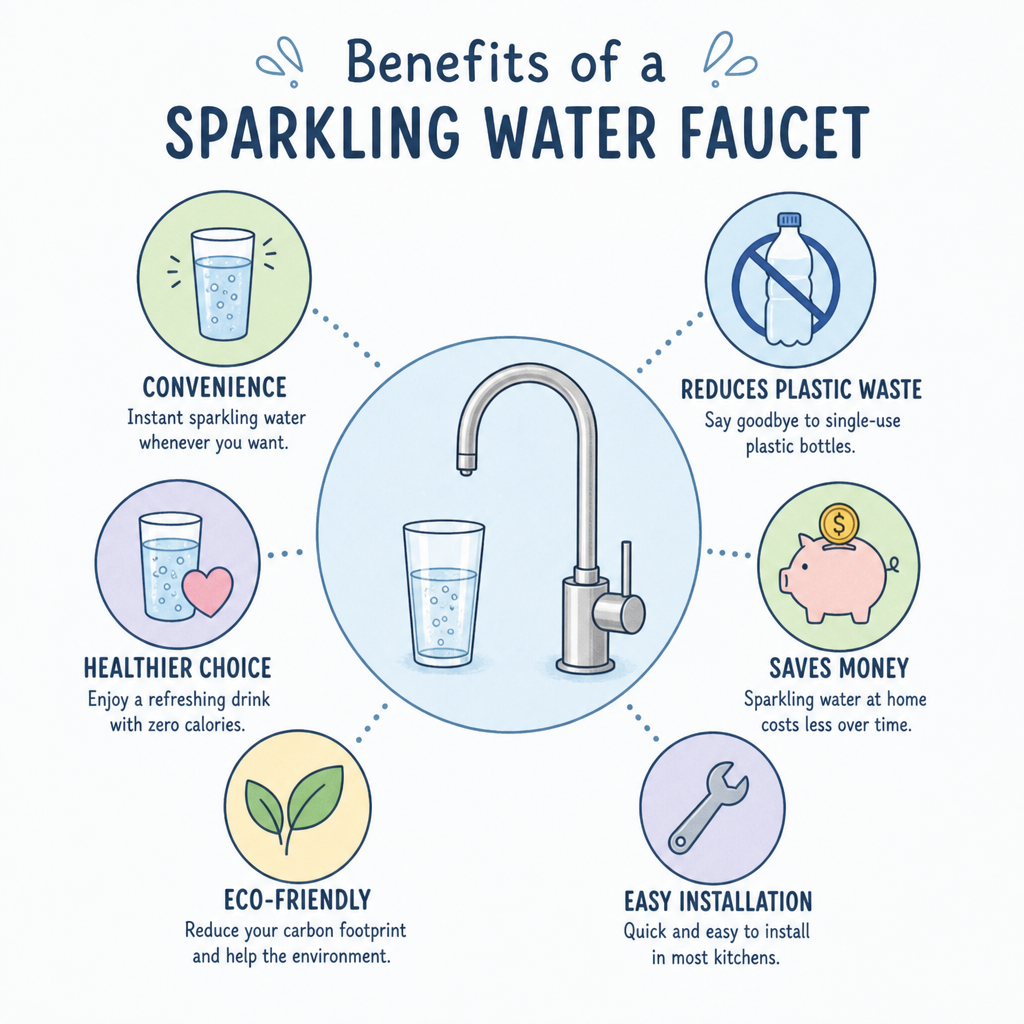
Creating sparkling water at home offers several advantages. It's a cost-effective alternative to store-bought options and allows for customization. You can adjust the carbonation level and try unique flavors.

by Daiga Ellaby (https://unsplash.com/@daiga_ellaby)
Additionally, you reduce plastic waste by using reusable bottles. Homemade sparkling water is also free from artificial additives. This makes it a healthier choice for your hydration needs.
Benefits include:
-
Cost savings
-
Flavor customization
-
Environmental friendliness
Embracing homemade sparkling water enriches your lifestyle in multiple enjoyable ways.
Frequently Asked Questions
Many wonder about the shelf life of homemade sparkling water. Generally, it stays fresh for several days if refrigerated. The fizz may diminish over time, so consume it promptly.
Can you use flavors during carbonation? It's better to add them after carbonating. This technique helps maintain the bubbles. Citrus fruits and herbs are popular additions.

by Nathan Dumlao (https://unsplash.com/@nate_dumlao)
Is carbonated water the same as club soda? Not quite. Club soda has added minerals, giving it a distinct taste. Sparkling water is simply carbonated without extras.
Key points to remember include:
-
Freshness lasts days
-
Flavoring after carbonation
-
Difference from club soda
These simple answers can help clarify your sparkling water experience.
Conclusion
Making sparkling water at home is simple and rewarding. You can create a refreshing drink tailored to your taste. It saves money and reduces environmental impact, offering a sustainable lifestyle choice.
With multiple methods available, you can experiment and find what best suits your needs. Homemade sparkling water provides a sense of accomplishment and invites creativity into your kitchen.
Q&A
Question: What’s the difference between seltzer, club soda, and sparkling water?
Short answer: Seltzer is plain carbonated water without added minerals. Club soda is carbonated water with added minerals (like sodium bicarbonate) for a distinct taste. Sparkling water often comes from natural springs and may naturally contain minerals.
Question: Why should I use cold water when carbonating?
Short answer: Cold water holds CO2 better than warm water, so it carbonates more effectively. Starting with chilled water leads to stronger, longer-lasting fizz.
Question: Should I add flavors before or after carbonation?
Short answer: Add flavors after carbonation. Flavoring post-fizz helps preserve bubbles and keeps the carbonation lively. Great options include citrus slices, herbs (mint, basil), berries, and cucumber.
Question: Which home method gives the most control over the fizz level?
Short answer: A DIY CO2 setup (CO2 tank, regulator, tubing, carbonation cap) offers the most precise control over pressure and carbonation level. A soda maker is the simplest and most consistent, while yeast fermentation is natural but slower and less predictable.
Question: What safety and maintenance tips should I follow?
Short answer: Handle CO2 tanks carefully and ensure all connections are secure. Use sturdy, carbonation-rated bottles—especially for fermentation, where pressure can build. Keep equipment clean and inspect it regularly to maintain taste, performance, and safety.